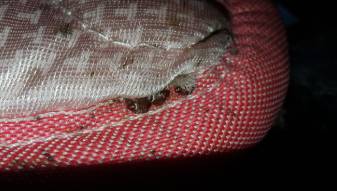
Bed bugs are on the rise again in Singapore, showing up in HDB flats, condominiums, hotels, and hostels across the island. These stubborn pests are difficult to eliminate without professional help. Their flat bodies allow them to hide in tight spaces like mattress seams, bed frames, or behind skirting boards. Over-the-counter sprays may kill a few on the surface, but the infestation often returns. That’s why effective bed bug pest control in Singapore requires a comprehensive, multi-step approach. At ProServ Pest, we specialise in bed bugs removal using safe, proven techniques with minimal disruption to your home or business.
Why Bed Bug Control Matters in Singapore
Bed Bugs Spread Fast in High-Density Living
Singapore’s urban landscape means bed bugs can travel quickly between units via cracks, trunking, or pipes. Once one room is infested, neighbouring units may follow without proper treatment.
They Hide Well and Multiply Quickly
Bed bugs are excellent at staying out of sight. They hide in hard-to-reach places like under floorboards or inside headboards, and a single female can lay hundreds of eggs, making infestations hard to control once they’ve spread.
DIY Sprays Usually Don’t Solve the Root Problem
Store-bought solutions often miss eggs and hidden clusters. Incomplete treatment may offer short-term relief, but the infestation typically resurfaces. Only targeted methods like residual spray, steaming, and misting can fully eliminate the colony.
Bites Affect Sleep, Comfort, and Daily Life
Bed bug bites can cause itching, swelling, and irritation. Some people suffer allergic reactions or anxiety due to poor sleep, especially when bites are frequent or unexplained.
Early Action Saves Time and Cost
The sooner a professional steps in, the easier and cheaper it is to treat. Small infestations are quicker to manage than entrenched ones. Delay gives bed bugs time to spread from room to room or unit to unit.
How to Prepare for Bed Bug Treatment?
- Clear the floor by removing items and making the space tidy to make treatment easier.
- Wash all your clothes, linens, and bedding in hot water to eliminate bed bugs.
- Vacuum beds, furniture, carpets, and cracks to get rid of pests.
- Your mattresses should be covered with bed bug-resistant covers (also known as encasements) or liners (available at stores or online).
- Ensure technicians can reach infected areas easily for efficient treatment.
- Follow any specific guidelines the bed bugs pest control company may offer.
Post-Treatment Care Guidelines
- Do not allow family members or pets to walk on treated surfaces for at least 4 hours after treatment.
- If the rooms are not kept dry, do not vacuum the carpeted areas that have been treated for at least two weeks or longer.
- Don't wash the bed frames, walls, or any other treated surfaces.
- Do not place new furniture into an area where there is an infestation until it has been completely eliminated.
- According to the advice of the bed bugs control specialists, schedule additional inspections and treatments.
Effective Bed Bugs Pest Control By ProServ Pest Control
Method One: (Two Services At The Interval Of One Week)
- Visual inspection of potential infestation sites
- Thorough inspection will be carried out at mattresses, bed frames, skirting of walls, sofa, crack and crevices
- Residual spray of odourless chemicals to the area of infestation
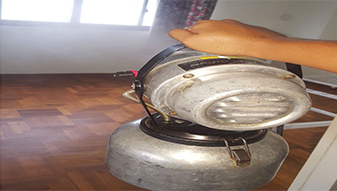
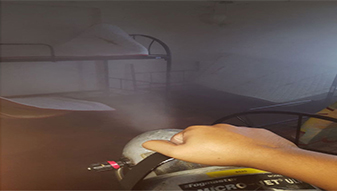
- Treatment with ULV misting to cover the whole premises
- Before the misting is carried out please ensure all food are kept in the fridge, air-tight containers and covering up of electrical appliance or fish tank etc
Method Two: (Three Services At The Interval Of Every One Week)
- Visual Inspection of potential infestation sites
- Thorough inspection will be carried out at mattresses, bed frames, skirting of walls, sofa, cracks, and crevices
- Residual spray of odourless chemicals to the area of infestation
Method Three: (One Service With Recheck One week Later)
- Visual Inspection of potential infestation sites
- Thorough inspection will be carried out at bed frames, mattresses, sofas, curtains, cabinets, cracks and crevices & trunking areas.
- Vacuuming and hot steam at bed frame, mattresses, sofa, cracks & crevices plus infested areas.
- Light layer of a residual spray of odorless chemicals to the area of infestation, bed frames, mattresses & sofa
At ProServ Pest Control, all our bed bugs pest control Singapore treatments come with after service 2 weeks’ warranty. Contact us to know more about bed bug treatment.
Our Bed Bug Inspection and Treatment Cost
Bed Bug Inspection |
Bed Bug Treatment |
| At ProServ, our bed bug inspections come at no cost. Our team will diligently perform a comprehensive site survey at your residence or workplace. This survey aims to gauge the extent of the infestation, identify potential problems, and provide a thorough assessment. | The cost of bed bug treatment can vary, starting from SGD$ 280 to 980, depending on service frequency, treatment type, affected area size, and infestation severity. Bed bug eradication is a top priority at ProServ, and our treatment plan comes with warranty assurance. For your peace of mind, we ensure full and efficient bed bug elimination and will re-treat your home for free if there are any remaining bed bugs. |
What Does ProServ Pest Provide?
Conducting Bug Surveillance
Our team conducts a comprehensive property inspection to locate potential bed bug breeding sites and high-risk areas.
Removing Bed Bug Harborage Areas
Thorough elimination of bed bug harborage areas is carried out by our team, eradicating hiding spots and ensuring undisturbed sleep for you.
Managing Bed Bug Nymphs and Eggs
Precise methods are employed to treat and control bed bug nymphs and eggs, effectively curtailing the growth of bed bug populations.
Eradicating Adult Bed Bugs
Using safe and effective bed bug control techniques, we eliminate adult bed bugs promptly, offering you swift relief from these troublesome pests.

FAQs about Bed Bug Pest Control in Singapore
For How Long Should I Wait to Put My Stuff Back on The Bed?
After the treatment, it is advisable to wait for a day or two before putting your bed cover and other stuff back. Do not forget to wash all the clothing associated with your bed before putting it back, as any residual pest on the bed sheet or clothing item can infest your bed again.
How Long Will it Take to Kill All The Bed Bugs From My Bed?
Depending upon the type of treatment you choose, the infestation size, and the size of your bed, it will take anywhere from 1 week to three weeks to eliminate the bed bug pests. So, you have to be patient once the treatment starts.
Is the Chemical Used in Bed Bug Fumigation Dangerous for Children?
We advise the children not to be directly exposed to the chemicals during the bed bugs control treatment as unnecessary exposure might harm their respiratory and digestive health. However, sleeping back on the treated bed after two days is not a problem, and you can resume using the bed as you have been doing.
The bed bug treatment cost varies. It depends upon multiple factors, including the infestation level and the size of the house (areas infested). You can call ProServ Pest for the quote, and we can help you in the best possible way to get rid of the bugs.
Are Bed Bugs Visible to The Eyes?
Yes, bed bugs are visible to the naked eye. Adult bed bugs usually have a reddish-brown colour and are approximately the size of an apple seed. Despite their small size, they can be observed on bedding, furniture, and various surfaces, particularly when they are actively feeding.
What Do Bed Bugs Look Like?
Bed bugs are tiny insects with oval-shaped, flattened bodies and a reddish-brown colour. They typically measure 4 to 5 mm in length, like the size of an apple seed. After feeding, their bodies expand and darken in colour. Young bed bugs, known as nymphs, look like miniature versions of adults, as they are smaller and have a lighter colour.
How to Get Rid of Bed Bugs Permanently?
For a lasting solution, thoroughly clean infested areas to eliminate bed bugs. Wash your clothing and bedding in hot water and employ a strong vacuum to eliminate bugs and their eggs. Utilize residual pesticides and invest in mattress covers that are resistant to bed bugs. To ensure complete eradication, consider reaching out to ProServ.
What Are the Early Signs of Bed Bugs?
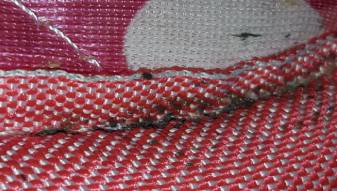
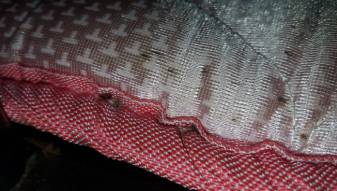
Early indicators of bed bug presence include small white eggs or eggshells, as well as rusty or dark spots from shed exoskeletons. Reddish-brown stains caused by their waste are also notable signs. Furthermore, you might observe itchy, red bite marks on your skin, often appearing in lines or clusters.