
Introduction
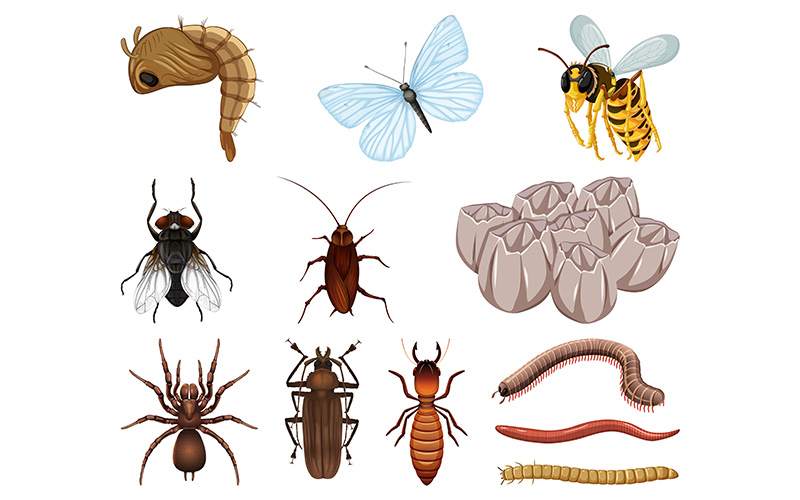
Singapore’s tropical climate and densely packed neighbourhoods create the perfect conditions for pests to remain active throughout the year. Whether it is ants trailing along countertops or cockroaches nesting in hidden corners, common house pests can compromise the safety, hygiene, and comfort of any home. Left unmanaged, they may also expose families to health risks and cause structural damage to property.
While professional treatments remain the most reliable way to eliminate entrenched infestations, many homeowners today are increasingly turning to natural, low-impact solutions to maintain a safer living environment. Understanding why pests appear, where they hide, and how to deter them using practical, natural measures allows households to stay protected between scheduled treatments.
This guide explores the types of common house pests frequently seen in Singapore homes, the conditions that attract them, and effective natural approaches to keep everyday spaces clean, healthy, and well-protected.
Key Takeaways:
- What makes common house pests so prevalent in Singapore?
Singapore’s warm climate, dense housing, and frequent moisture provide ideal conditions for pests to breed and spread easily between homes. - How can homeowners keep common house pests away naturally?
Regular cleaning, proper food storage, moisture control, and simple natural remedies such as essential oils or sunlight exposure help deter everyday pests. - When do natural methods stop being effective?
If pests return repeatedly, cause visible damage, or show signs of nesting in hidden areas, natural approaches alone are no longer sufficient. - Why is choosing a licensed pest control company important?
Licensed professionals use NEA-approved treatments, understand pest behaviour, and provide safe, targeted solutions tailored to the layout and needs of each property. - How does ProServ Pest Control support long-term pest management?
ProServ conducts thorough inspections, applies safe and effective treatments, and offers ongoing guidance to help homes and businesses maintain a pest-free environment.
Understanding Singapore’s Common House Pests
2.1. Why Are Pests So Common in Singapore Homes?
Singapore’s warm, humid climate creates an ideal environment for insects and rodents to thrive year-round. In high-density estates such as HDBs and condominiums, units sit close together, allowing common house pests to move easily through shared pipes, rubbish chutes, and wall gaps. Indoors, uncovered food, cluttered storage areas, and irregular waste disposal can quickly attract pests. Construction works and drainage maintenance can also displace pests into neighbouring blocks, making it important for homeowners to practise good home pest prevention methods.
2.2. Ants: The Persistent Kitchen Invaders
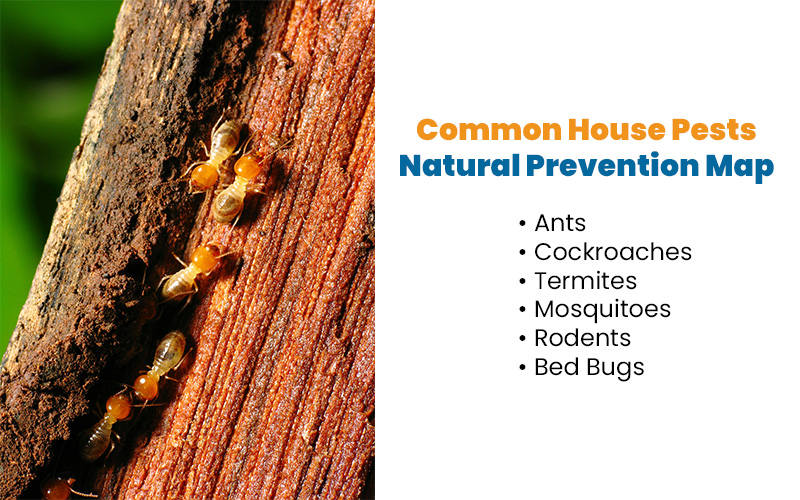
Pharaoh ants and black household ants are among the most frequent common house pests found in kitchens and dining areas, where they search for sugary, greasy, or protein-rich residue. Natural prevention includes wiping surfaces with vinegar or lemon, storing dry goods in airtight containers, and sealing cracks near windows, skirting boards, and countertop edges. These steps support homeowners who prefer understanding how to keep pests away naturally as part of routine maintenance.
When to seek help: If ant trails reappear daily or nests are discovered inside electrical points, a larger colony is likely present.
2.3. Cockroaches: The Unwanted Night Crawlers
Cockroaches hide in dark, humid places such as drains, false ceilings, kitchen cabinets, and bathroom corners. As carriers of bacteria and allergens, they can quickly compromise the hygiene of a home. Natural deterrents include a light baking soda–sugar mixture as a simple bait and the use of bay leaves or peppermint oil in cupboards or storage areas. Ensuring proper ventilation and repairing water leaks further reduces hiding spots.
Professional tip: Routine inspections help uncover concealed harbourage areas, especially within wall voids or behind built-in fixtures.
2.4. Termites: The Silent Home Destroyers
Subterranean termites are among the most destructive common house pests, feeding on wooden furniture, flooring, and structural framing. Because they operate out of sight, homeowners often notice them only after clear damage has occurred. Reducing moisture indoors and allowing wooden furniture to receive direct sunlight can help deter early activity. For developing or concealed cases in Singapore, termite control may be required to assess and stabilise the affected structure.
When to call professionals: The presence of mud tubes, discarded wings, or hollow-sounding timber warrants immediate assessment.
2.5. Mosquitoes: The Tiny but Dangerous Biters
Mosquitoes breed in stagnant water found in flowerpot trays, roof gutters, floor traps, and outdoor containers. The Aedes species, in particular, is a serious concern due to dengue and Zika transmission. Natural prevention involves clearing standing water every few days, placing lemongrass or citronella plants around the home, and using lavender oil diffusers as a gentle repellent.
NEA note: Singapore experiences seasonal spikes in mosquito activity, making regular self-checks an important part of home protection.
2.6. Rodents: The Hidden Health Hazards
Rats and mice contaminate stored food, damage wiring, and introduce harmful pathogens. They are agile climbers and can squeeze through gaps as small as a coin. Natural prevention includes sealing openings along walls and pipes, placing peppermint-oil-soaked cotton near suspected entry points, and maintaining strict cleanliness.
Professional tip: Gnaw marks, droppings, or scratching noises behind walls indicate active movement and should be addressed promptly.
2.7. Bed Bugs: The Hard-to-Detect Hitchhikers
Bed bugs spread easily through luggage, used furniture, and fabric items. These common house pests are known for causing itchy bites and disrupting sleep, yet they are often difficult to detect due to their small size and ability to hide in seams and crevices. Natural prevention includes frequent vacuuming of mattresses and upholstery, washing bedding on high heat, and using light tea tree or lavender sprays on fabric surfaces. If the issue escalates, bed bug pest control services become necessary to address deeply hidden activity and ensure complete removal.
When to call professionals: If bed bugs continue resurfacing or multiple rooms appear affected, targeted treatment is usually necessary.
2.8. Other Common Household Pests
- Flies: Attracted to exposed food and waste; herbs like basil or cloves can be used as mild deterrents.
- Silverfish: Thrive in damp storage areas; using dehumidifiers and airtight containers helps protect books and documents.
- Fleas: More common in homes with pets; regular cleaning of pet bedding and thorough vacuuming can reduce activity.
Why Natural Pest Control Matters
3.1. The Risks of Overusing Chemical Pesticides
Relying heavily on chemical treatments for managing common house pests may offer short-term relief, but it can also create long-term challenges for households. When pesticides are used too frequently, pest populations gradually develop resistance, reducing the effectiveness of treatments over time. Chemical residue may also affect children, pets, or anyone with respiratory sensitivities, especially in enclosed areas where airflow is limited. Beyond the home, excessive use disrupts the natural balance by harming beneficial insects and altering small ecosystems that help regulate everyday activity. This becomes especially relevant for mosquito-prone areas, where homeowners in Singapore may eventually require mosquito control if natural measures fail.
3.2. Benefits of Natural Pest Prevention
Natural prevention offers a practical, family-friendly approach to reducing common house pests without introducing unnecessary toxins into living spaces. Through careful sanitation, moisture control, and consistent maintenance, households create environments that pests are far less likely to inhabit. This method supports sustainable pest prevention for Singaporean homes, reinforcing positive habits that help prevent infestations before they develop.
At the same time, homeowners who prefer gentler approaches can adopt natural pest control remedies to complement good housekeeping practices. These strategies provide reassurance for families with young children, elderly members, or pets who may be more sensitive to harsh chemicals, allowing homes to remain safe, healthy, and comfortable while maintaining strong hygiene standards, even when dealing with stubborn common house pests.
Home Pest Management Tips for Long-Term Prevention
4.1. Maintain a Clean and Dry Home
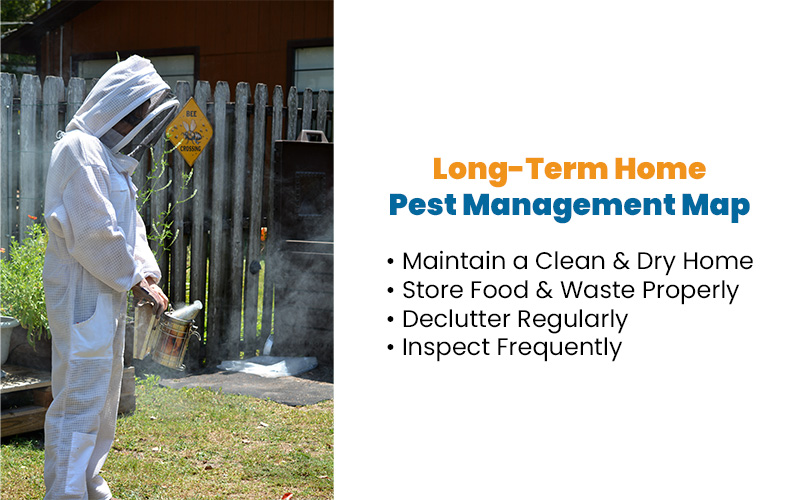
Good housekeeping remains one of the most reliable home pest prevention methods for reducing activity indoors, especially when dealing with common house pests such as ants and cockroaches. Wiping countertops, clearing crumbs, and disposing of food waste promptly removes the scent trails and residues that attract pests. Damp areas should be addressed quickly, repairing pipe leaks, drying bathroom corners, and clearing stagnant water helps remove the moist conditions many pests rely on to breed and survive.
4.2. Store Food and Waste Properly
Proper storage is vital for minimising odours that draw common house pests into kitchens and food-handling areas. Using sealed bins, closing lids tightly, and keeping waste disposal zones clean all make a meaningful difference. Pantry staples such as cereals, grains, and snacks should be stored in airtight glass or plastic containers to prevent contamination and discourage opportunistic pests from accessing food sources.
For households in Singapore experiencing persistent activity despite good practices, it may be time to consider cockroach control to maintain hygiene and prevent further spread.
4.3. Declutter Regularly
Cluttered spaces offer ideal harbourage for common house pests that thrive in dark, enclosed corners. Storerooms, cabinets, and lesser-used areas often accumulate boxes, paper bags, and unused items that create sheltered environments. Decluttering these spaces reduces hidden nesting spots and makes routine checks easier, helping homeowners identify early signs of activity before they escalate.
4.4. Inspect Regularly
Regular inspections form the foundation of effective household pest management tips. Simple habits such as checking under sinks, behind appliances, and along wall edges can reveal droppings, burrows, or small nests that may otherwise go unnoticed. For added reassurance, scheduling routine assessments ensures developing issues are identified early, reducing the likelihood of costly or extensive treatment later on.
When Natural Remedies Aren’t Enough
5.1. Signs You Need Professional Help
Natural measures can slow down pest activity, but there are moments when expert intervention becomes essential. Recurring issues despite regular cleaning, or the discovery of droppings, gnaw marks, or damaged materials, are clear signs of pest infestation, often linked to common house pests that have already established themselves. Night-time movement within walls, ceilings, or storage areas often indicates pests have already settled into inaccessible spaces where home remedies are no longer effective.
5.2. Why Choose a Licensed Pest Control Company
When an issue escalates, engaging a licensed provider ensures the situation is handled with care and accuracy. Professionals rely on NEA-approved solutions and structured processes designed to protect households while maintaining strong hygiene standards. Many homeowners also prefer providers who balance effectiveness with eco-friendly pest treatment, offering safer options for families with children, pets, or elderly members. Our approach prioritises long-term protection through detailed assessment, targeted application, and clear recommendations tailored to each property’s needs.
For households that require sustained support, we offer reliable pest control services for residents in Singapore when natural remedies alone are no longer enough to keep common house pests under control.
5.3. About Pro Serv Pest Control
We are an NEA-licensed team committed to safeguarding homes, offices, and commercial sites across Singapore. With proven expertise in managing ants, termites, cockroaches, rodents, mosquitoes, and bed bugs, their services focus on safety, precision, and long-term prevention. This commitment ensures that even the most persistent common house pests are managed responsibly and thoroughly. Through thorough inspections, responsible treatment methods, and consistent client support, we deliver pest management that is both effective and sustainable for modern living environments.
Frequently Asked Questions
1. Why do I keep seeing ants and cockroaches even after cleaning my home?
Even spotless homes can attract pests. Ants and cockroaches enter through cracks, pipes, and rubbish chutes in search of warmth or moisture, especially in HDBs and condos. Persistent sightings usually indicate hidden nests that require professional pest control to eliminate fully.
2. How often should I schedule pest control treatment in Singapore?
Most homes benefit from quarterly pest control visits, while food businesses may require monthly inspections under NEA hygiene standards. Preventive maintenance ensures pests don’t return and helps detect issues early before they spread.
Can pest infestations spread from one unit to another in HDBs or condos?
Yes, pests like cockroaches, ants, and rodents can easily travel between units through drainage systems, rubbish chutes, and wiring ducts. That’s why building-wide pest control maintenance and regular inspections are essential to prevent reinfestation across neighbouring units.
Conclusion
Singapore’s tropical climate naturally encourages the presence of common house pests, but simple, natural steps can go a long way in reducing everyday activity. Using gentle methods such as vinegar, lemon, baking soda, and essential oils offers a safe way to deter pests while keeping living spaces comfortable for families and pets. At the same time, maintaining a clean, dry, and clutter-free home remains one of the most effective long-term strategies for preventing infestations.
However, when pest issues persist, spread quickly, or show signs of structural impact, professional support becomes essential. Licensed specialists can identify hidden activity, assess risk, and recommend targeted, NEA-approved treatments that safeguard your home without compromising safety standards.
We provide reliable, eco-conscious solutions designed for Singapore homes and businesses, offering both immediate relief and long-term protection. With trusted guidance and the right preventive measures, homeowners can keep their spaces clean, healthy, and confidently pest-free throughout the year.
Contact Pro Serv Pest Control today for a thorough assessment and practical, long-lasting solutions tailored to your living or working space. Let us help you keep your environment safe, clean, and confidently protected all year round.