
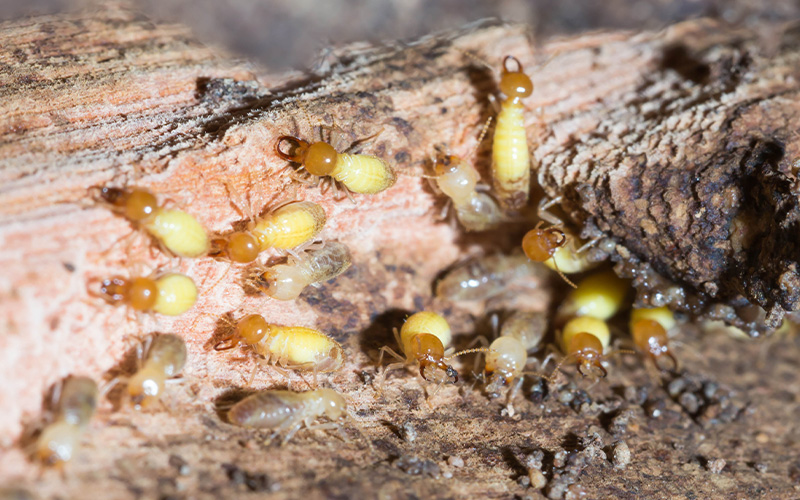
Key Takeaways:
What should property owners remember about termite infestation signs?
- Early detection of termite infestation signs is crucial, as both Subterranean and Drywood termites can cause hidden structural damage long before symptoms appear.
- Key indicators include hollow wood, mud tubes, discarded wings, wall stains, warped frames, and frass, the pellet-like droppings produced by Drywood termites.
- Understanding the signs of termites in walls helps property owners identify activity early, especially in Singapore’s humid climate where termites thrive.
- Annual termite inspection services support timely detection and ensure the right treatment is used for the species involved.
- Responding promptly reduces the risk of severe termite damage, supports structural safety, and prevents infestations from spreading to other parts of the property.
Introduction
Termites are silent destroyers capable of weakening wood, flooring, and even structural beams long before anything appears on the surface. In Singapore’s humid climate, these pests thrive year-round, making early identification especially important for homeowners, tenants, and commercial property managers. By the time termite infestation signs become visible, the colony is often already well established. This guide outlines the most reliable indicators of termite activity, the types of termites found locally, and how to detect termites early before extensive repairs are required.
Which Termite Species Are Common in Singapore?
Singapore primarily encounters Subterranean termites and Drywood termites, each behaving differently and producing distinct signs of termite infestation.
Subterranean termites live underground and travel through mud tubes to reach food sources. They thrive in moisture-prone environments and can cause severe structural damage by feeding on beams, floor joists, and built-in carpentry.
Drywood termites live entirely inside dry wood and do not rely on soil. One of their most distinctive indicators is frass, which looks like tiny, pellet-like droppings. These often accumulate near door frames, cupboards, attic spaces, or wooden furniture.
Recognising which species is present helps determine the right approach when seeking termite inspection services.
What Are the Most Common Termite Infestation Signs?
Hollow or Bubbling Wood Surfaces Suggest Internal Activity
When termites feed within timber, they carve out tunnel systems that weaken the wood from the inside. Instead of saying termites “introduce” moisture, it is more accurate to note that their tunnelling can trap moisture within the wood, contributing to warping or blistered surfaces. If skirting boards or wooden fixtures sound hollow when tapped, this may indicate advanced internal termite damage.
Mud Tubes Along Walls or Foundations Indicate Subterranean Termites
Subterranean termites build narrow brown mud tubes on walls, flooring joints, or foundations to protect themselves from light and dehydration. Spotting these tubes is one of the clearest signs of termite infestation, especially in landed homes and ground-floor units.
Why Do Termite Signs Appear Near Windows and Walls?
Discarded Wings Suggest a Growing Colony Nearby
Reproductive termites, known as swarmers, shed their wings after locating a suitable place to establish a new colony. Finding piles of delicate wings near window sills or light fixtures is a strong indication that swarmers have entered the building. As the colony can expand quickly, this is one of the most urgent signs of termite infestation requiring professional attention.
Tight-Fitting Doors or Windows Signal Moisture and Wood Distortion
When termites feed inside wood, their activity introduces moisture that causes surrounding frames to warp. Over time, doors and windows may no longer close smoothly. While humidity alone can cause similar issues, persistent tight-fitting frames accompanied by other signs of termites in walls warrant further investigation through professional termite inspection services.
Can Termites Cause Wall Damage That Resembles Water Leaks?
Peeling Paint or Stained Walls May Hide Internal Tunnels
Termite tunnels hold moisture, which can cause bubbling paint, soft patches, or discoloured plaster. These irregularities often mimic water damage, leading property owners to overlook the possibility of a termite issue. If there is no clear source of leakage, the underlying cause may be hidden termite damage occurring behind the wall surface.
Early Identification Reduces Repair Costs
Termites usually remain concealed within wood or behind wall finishes, early detection relies on recognising small yet telling changes. Routine checks around wooden fixtures, skirting boards, and wall junctions can help property owners notice unusual patterns before a colony becomes deeply established.
What Should You Do Immediately After Discovering Termite Activity?
Disturbing an active infestation may cause termites to retreat deeper into hidden areas, making treatment more challenging. Instead, property owners should avoid tampering with affected surfaces and engage specialists who can assess the situation safely and accurately. We conduct thorough inspections to determine the extent of termite activity and identify the most suitable treatment method.
To prevent termites from dispersing deeper into hidden voids:
- Do not spray insecticide
- Do not scrape or break mud tubes
- Do not remove damaged wood
- Take clear photos for reference
- Contact a qualified specialist immediately
For targeted treatment, property owners may explore pest control for termites, especially when dealing with active colonies.
For long-term protection, solutions help safeguard residential and commercial properties against recurring activity.
Property owners seeking preventive barriers can also consider anti termite treatment, which provides added defence in high-risk environments.
Conclusion
Recognising signs of termite infestation early can make a significant difference in protecting your property from structural damage. Hollow wood, mud tubes, discarded wings, warped frames, and unusual wall stains are all important clues of hidden termite activity. If you suspect termites or want guidance on termite control solutions, engaging trained professionals is the safest next step. We offer reliable termite inspection services and practical solutions that support homeowners, businesses, and property managers across Singapore. Contact ProServ Pest Control today to arrange a detailed inspection and receive expert recommendations tailored to your property’s needs.